Coastal North Carolina Landscaping Guide: Preventing Soil Erosion in Sandy Soil Landscapes
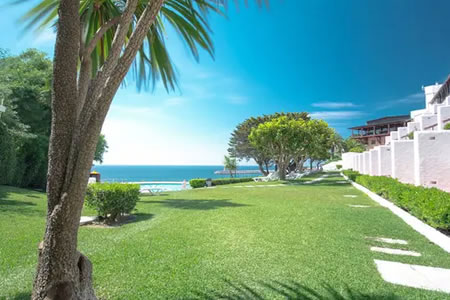
Coastal NC landscaping calls for a different playbook. Sandy soils, steady salt spray, and seasonal storms can strip away topsoil and wash out beds. This guide shows how a well-planned mix of salt-tolerant plants, smart grading, and engineered drainage protects your property and boosts curb appeal along the North Carolina coast.
If your yard fights washouts after heavy rain or wind, our landscaping services are designed for coastal conditions from Emerald Isle to Beaufort and Atlantic Beach. For a broader look at design options, explore our services, then come back here to see how each element works together.
Want a quick primer on water flow features that pair with plantings? This related post can help you visualize the system: water features and landscaping tips. When you are ready to plan, start with the big picture of how wind and water move across your site.
Why Sandy Coastal Yards Erode
Sandy soil drains fast. That sounds helpful until storm cells dump inches of rain in a short window. With little organic matter to hold moisture, water races over the surface, cutting channels and carrying soil to the street or marsh.
Salt spray and gusty winds make it harder for plants to knit soil together. Roots stay shallow without the right species and spacing. The fix is a landscape that slows, spreads, and sinks water while anchoring every exposed area with vegetation built for the coast.
Salt-Tolerant Ground Covers That Hold Soil
Ground covers do more than look neat. They shield sand from raindrop impact, trap fine particles, and lock slopes in place. In Eastern North Carolina, these proven options handle wind, salt, and drought once established:
- Sea oats and bitter panicum for sunny, sandy edges and dune-like zones.
- Saltmeadow cordgrass for low, occasionally wet areas with salt spray.
- Pink muhly grass for borders that need roots and seasonal color.
- Creeping juniper for hot, dry slopes where low growth is preferred.
- Dwarf yaupon holly and wax myrtle for wind-tough, evergreen structure.
Spacing and massing matter. Your designer groups plants in wide drifts so roots overlap and foliage closes gaps. Avoid bare patches near downspouts or driveway edges, because these become starting points for rills and washouts.
Coastal Turf Grass Varieties For North Carolina
Not every lawn thrives near the ocean. The goal is a turf that tolerates heat, handles moderate salt spray, and grows well in sandy, slightly acidic soil. Three workhorses stand out across the NC coast:
- Centipede grass for low maintenance and good performance in lean, sandy soils.
- Zoysia for dense, traffic-tolerant turf that helps resist wind erosion.
- Bermuda for high heat tolerance and quick recovery in sunny, open yards.
Your turf plan can even be zoned. For example, zoysia or centipede in the front yard for neat curb appeal, with native ground covers behind dunes or along exposed sides where salt and wind are stronger.
Smart Grading Strategies That Work With Wind And Water
On the coast, grading is less about big earth moves and more about subtle redirection. A gentle, consistent slope away from the house keeps water from hugging the foundation. Shallow swales collect sheet flow and guide it toward safe discharge points without creating tripping hazards or eyesores.
Small berms paired with planting beds break wind at ground level and calm runoff. In sandy soils, the best berms are broad and planted densely so they knit together over time. Skip fabric that seals the surface. Use breathable geotextiles only where needed to stabilize under gravel or pathways.
Blending Native Plantings With French Drains And Swales
Plants slow water. Drains move it. Swales store and filter it. The strongest coastal yards use all three in one plan. Native shrubs and grasses line the high edges of a swale to hold the banks. A perforated pipe wrapped in clean stone sits below grade where soggy spots appear after storms. Outlets day‑light in armored areas where water can safely exit.
This layered approach does more than control erosion. It cleans runoff before it reaches the street or sound, helps recharge groundwater, and keeps mulch and sand from washing into neighbors’ driveways. It also looks natural, especially when curves follow the way water already wants to travel.
Coastal tip: Along the Crystal Coast, intense rainbands can arrive fast. A yard that slows water in shallow swales, then shifts overflow into discreet drains, bounces back quicker after a storm and needs less cleanup.
Materials That Last In Salt And Sun
Hardscape and edge materials take a beating near the ocean. Choose options that resist corrosion and UV wear. Stone, concrete, and stabilized shells hold up well for swales and spillways. When metal is required, pick coated or marine-grade hardware. For mulch, washed shell or angular gravel is steadier in high wind than lightweight bark.
Paths should be permeable so water can pass through instead of racing across. That might mean open-jointed pavers over a compacted, well-drained base or a stabilized aggregate that sets firm yet drains.
Designing For Peak Hurricane Season
Late summer and fall bring the highest risk of flooding and wind along the NC coast. A resilient landscape plans for overflow. That means redundant routes where water can move if the main swale fills, and plant palettes that recover quickly after salt spray.
Deep-rooted natives rebound better than tender ornamentals. Layer wind-tough shrubs on the windward side, then lighter textures behind them to diffuse gusts. Keep mulch pulled back from foundations and downspout ends so you do not create dams that push water toward the house.
Low-Maintenance Does Not Mean Low Planning
A coastal yard can be easy to care for if it is designed with the site first. Right-size your lawn so irrigation demand stays low. Use ground covers on slopes and long edges near drives. Place drains only where the grade and soils tell you they belong, and size outlet areas to handle peak flows common in Carteret and Onslow Counties.
Maintenance is simple once the plan is right. Seasonal checkups by a professional confirm that inlets are clear, plantings are filling in, and stone in swales has not migrated after big storms. Schedule quick inspections before and after hurricane season to keep everything working as designed.
Putting It All Together: A Resilient Coastal Yard Plan
Here is how the pieces fit in a typical Crystal Coast neighborhood like Morehead City or Emerald Isle. The front yard uses a compact lawn of zoysia or centipede to frame the entry. Curved beds with pink muhly and dwarf yaupon hold soil around the walk. A subtle swale runs along the side yard, planted with saltmeadow cordgrass and lined with stone at the outlet.
In the back, a broad, planted berm shields wind and screens views. A French drain solves the chronic wet spot near the patio, sending water to a discreet spillway armored with stone and shells. The result feels natural, looks coastal, and stands up to weekend storms without leaving ruts or sand piles.
For inspiration on blending moving water with planting, take a minute to read water features and landscaping tips. Then return to this guide to finalize your plant palette and drainage layout.
Environmental Benefits You Can See
Well-designed coastal landscapes do more than hold sand in place. They cut sediment in street drains, protect nearby marsh edges, and reduce heat around the home. That means cooler spaces outside, cleaner water after storms, and longer life for drives and walks that no longer collect standing water.
Neighbors notice the difference too. A yard that stays tidy after a squall, with turf intact and beds undisturbed, signals care and adds value on the block. Over time, plant roots build organic matter in sandy soil, so the landscape actually gets stronger the longer it is in place.
How Carolina Bogue Land & Sea Designs Coastal NC Landscaping
Carolina Bogue Land & Sea designs for the realities of Eastern North Carolina: sandy soils, salt spray, and strong winds. Our team selects salt-tolerant ground covers and turf, shapes gentle grades that move water away from structures, and integrates swales and French drains so runoff has a safe path during peak hurricane season.
We balance resilience with beauty. Native plant groupings bring color and wildlife while making slopes stable. Hardscape choices stand up to sun and salt. If you want a partner who treats erosion control and curb appeal as one plan, explore our landscaping services and see how the pieces come together across the NC coast.
Next Steps For Homeowners Along The North Carolina Coast
Start by aligning your goals with the site. Pick the areas that need to be bone-dry, like entries and patios, and the areas that can slow and store water, like side yards or back corners. From there, a coastal-minded plan fits the right plants to each microclimate and routes water so it never surprises you.
To ground your choices in local conditions, browse examples of coastal nc landscaping and note how plant massing and gentle grading calm stormwater. Then map those ideas to your property with a designer who understands our soils and weather patterns.
Important: Choose plants and materials for your exact microclimate. What thrives in Wilmington may need tweaks in Atlantic Beach, even a few miles apart.
Ready to protect your yard and raise curb appeal with a single, well-built plan? Call Carolina Bogue Land & Sea at 252-424-0725 to schedule a site visit across the Crystal Coast and surrounding communities. Or start the conversation online through erosion control landscaping tailored for coastal North Carolina.